
Email isn’t dead. Not even close.
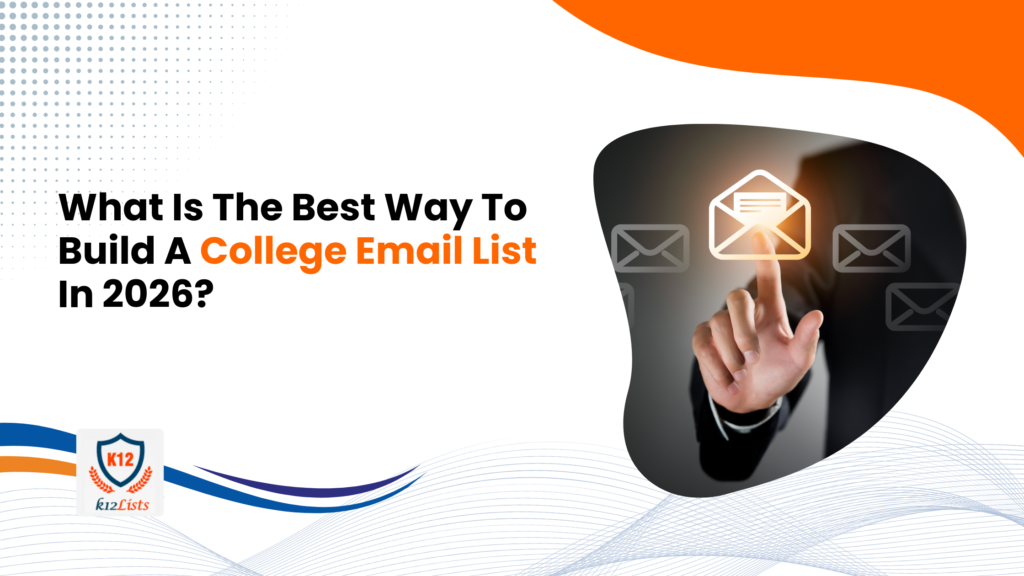
If you’re working in higher education, you know email is still one of the most direct ways to reach students, faculty, and administrators. But building a college email list in 2026? That’s a different ballgame than it was five years ago.
Privacy rules have tightened. People expect personalization. And honestly, generic blast emails just don’t work anymore.
So how do you build a college email list that actually gets results? Let’s break it down.
How Did College Email List Building Evolve Over Time?

Back in the early 2000s, people built email lists the hard way-manually collecting addresses from directories and websites. Then came the era of purchased lists. Companies sold massive databases, and everyone bought them, hoping for the best.
That didn’t work out so well. High bounce rates. Low engagement. Legal problems.
By the 2010s, regulations like CAN-SPAM and GDPR changed everything. Permission became non-negotiable. The focus shifted from quantity to quality.
Today in 2026, it’s about having the right emails. Clean data. Verified contacts. Targeted segments. That’s what works.
Why Is Building a College Email List Still Important in 2026?
With all the social media platforms out there, do you really need email?
Yes. Here’s why.
Email gives you direct access without algorithms. When you send an email, it lands in someone’s inbox. You’re not fighting for attention against thousands of posts.
For higher education, this matters even more. You’re reaching decision-makers, enrollment managers, academic directors, and IT administrators. These are professionals looking for real solutions, not casual browsers.
But here’s the catch: personalization is everything. A generic “Dear Educator” email gets deleted. An email that addresses a specific challenge? That gets opened.
That’s where quality list-building comes in. When you know exactly who you’re talking to, you can write messages that actually resonate.
Plus, compliance isn’t optional anymore. GDPR, CAN-SPAM, FERPA-these regulations mean building your list the right way protects you legally while building trust.
What Are the Best Strategies to Build a College Email List?
Let’s get practical. Here’s how to build a college email list in 2026.
How Can You Use College Websites to Build Your Email List?
Most colleges publish staff directories online. These are public resources, and they’re goldmines for building targeted lists.
Start by identifying institutions that match your profile. Community colleges? Research universities? Get specific.
Then visit their websites. Many schools list emails for department heads, admissions staff, and administrators.
But don’t just scrape everything. Verify accuracy. Remove outdated contacts. Make sure email formats match the institution’s standards.
This takes time, but it builds a foundation of real, reachable contacts.
Should You Partner with Colleges to Build Your List?
Direct partnerships can be incredibly valuable.
Some institutions are open to collaboration, especially if you’re offering genuine value-educational resources, useful tools, or solutions to real problems.
When you partner with an institution, you might gain access to permission-based contact lists. But here’s the key: build relationships first. Show value before asking for anything.
What Lead Magnets Work for College Email Lists?
Want people to actually want to join your list? Give them a reason.
Lead magnets work because they offer immediate value. For higher education audiences, think:
- Research reports on enrollment trends
- Implementation guides for new technologies
- Webinars with industry experts
- Case studies with measurable results
Everyone who joins through a lead magnet has chosen to hear from you. That creates a more engaged audience from the start. Plus, it keeps you compliant.
Why Does Email List Segmentation Matter?
Not all college contacts are the same.
An email for a student recruitment officer won’t interest an academic dean. A message for a tech director won’t resonate with a financial aid coordinator.
Organize contacts by:
- Job function (admissions, IT, academics, administration)
- Institution type (community college, university, private school)
- Geographic region
- Institution size
- Specific interests
Segmented lists consistently perform better. Higher open rates. Better engagement. And you’re respecting people’s time by sending relevant content.
What’s Changing in College Email Marketing for 2026?

The email landscape keeps evolving. Here’s what matters now.
- AI is getting smarter. Artificial intelligence can analyze engagement patterns, predict optimal send times, and suggest content topics. But AI only works with quality B2B data. Garbage in, garbage out.
- Automation feels more human. Today’s platforms trigger personalized sequences based on actual behavior-downloads, clicks, page visits. Good automation scales personal connection.
- Regulations keep tightening. More regions are implementing GDPR-style laws. Even in the U.S., state privacy laws are spreading. Permission and transparency matter more than ever.
What Compliance Rules Apply to College Email Lists?
Let’s talk compliance. Getting this wrong is expensive.
- CAN-SPAM basics: Accurate subject lines, clear sender identity, physical address, easy opt-out, honor unsubscribes within 10 days. Penalties go up to $50,120 per violation.
- GDPR for EU contacts: You need explicit consent. Pre-checked boxes don’t count. People must actively choose to receive your emails.
- FERPA for student data: Protects student education records. If you’re working with student data, understand what’s protected.
Beyond legal compliance, there’s ethics. People are selective about who gets their email. Be transparent about what they’ll receive and how often. Respect opt-out preferences immediately.
How Do You Maintain a Clean College Email List?
Building your list is just the start. Maintaining it determines whether it stays valuable.
- Clean regularly. Email addresses decay at about 22% per year. People change jobs, institutions update systems, and addresses get abandoned. Remove hard bounces immediately and consider cutting contacts who haven’t engaged in 12 months.
- Use validation services. Before adding new contacts, validation checks whether addresses are real and deliverable. This reduces bounce rates and protects your sender reputation.
- Monitor your reputation. Email providers track how you send. High bounces and spam complaints hurt your reputation. Keep bounce rates under 2%, maintain consistent sending patterns, and use authenticated email.
What Mistakes Should You Avoid When Building College Email Lists?
Don’t buy sketchy lists. Those “10,000 emails for $99” offers? They’re full of outdated, duplicate, or invalid data. Your bounce rate skyrockets. Your reputation tanks. And you’re paying for garbage.
Don’t skip segmentation. Sending the same message to everyone wastes an opportunity. People stop opening irrelevant emails. Eventually, they unsubscribe.
Don’t neglect data accuracy. Outdated information leads to embarrassing mistakes, emailing people who left two years ago, wrong titles, and programs that don’t exist. These errors kill credibility.
How Does K12 Lists Approach College Email List Building?

We’ve spent years focused on educational data. Our approach? Quality over quantity.
Every contact gets verified. We confirm valid emails, current information, and accurate supporting data. This isn’t one-and-done; we continuously update to fight natural decay.
Our lists come pre-segmented by institution type, job function, and region. You can start targeted outreach immediately instead of spending weeks organizing data.
We take compliance seriously. Our methods respect privacy regulations. We maintain documentation. And we help clients understand their obligations.
Beyond emails, we provide context, phone numbers, institution details, and data points that help you personalize outreach effectively.
Talk to Our Data Experts for a Custom K-12 List
Building and maintaining a college email list takes serious time and resources. Mistakes can be costly.
Our data experts have a deep understanding of higher education. They know institutional hierarchies and decision-making processes. Most importantly, they understand your goals.
Whether you’re recruiting students, selling solutions, or providing services to institutions, we can create a custom list tailored to your exact needs. No generic databases, no outdated contacts, no compliance concerns.
Just verified, targeted data that connects you with the right people.
Final Thoughts
Building a college email list in 2026 requires intention. The days of bulk lists are over. Today demands quality, compliance, and strategy.
When you get it right, the payoff is worth it. Direct access to decision-makers. Higher engagement. Better outcomes. And meaningful relationships with institutions.
Remember, your list isn’t just addresses. It’s real people trying to solve problems and improve their institutions. Treat them that way. Provide value. Respect their time.
That’s how you build not just a list, but a genuine audience.
Want to skip months of work and start with quality data? We’re here to help. Our verified databases give you the foundation to succeed without trial and error.
What’s your next step?
Frequently Asked Questions About Building a College Email List
The best way to build a college email list in 2026 is by using compliant, permission-based strategies such as opt-in forms, educational content offers, partnerships, and verified data sources. Accuracy, relevance, and segmentation are critical, as privacy regulations and personalization expectations continue to evolve.
Yes, it is legal to build a college email list for marketing when data is collected or sourced in compliance with regulations such as GDPR and CAN-SPAM. This includes using publicly available information responsibly, maintaining transparency, and providing clear opt-out options.
Marketers build college email lists ethically by focusing on permission-based data collection, respecting data privacy laws, validating email accuracy, and avoiding misleading outreach. Ethical practices help build trust and improve long-term engagement.
A high-quality college email list should include verified email addresses, institution name, job title or role, department, location, and relevant segmentation data. Accurate and up-to-date contact details help improve targeting and campaign performance.
Accuracy and deliverability can be ensured through regular data validation, list cleaning, bounce monitoring, and segmentation. Using verified data sources and maintaining proper email hygiene significantly improves inbox placement and engagement rates.