
The education sector is huge, with a global market worth $1.3 trillion. But these numbers don’t tell the whole story. Education is a lively, passionate community.
One driven by individuals who care profoundly about student outcomes.
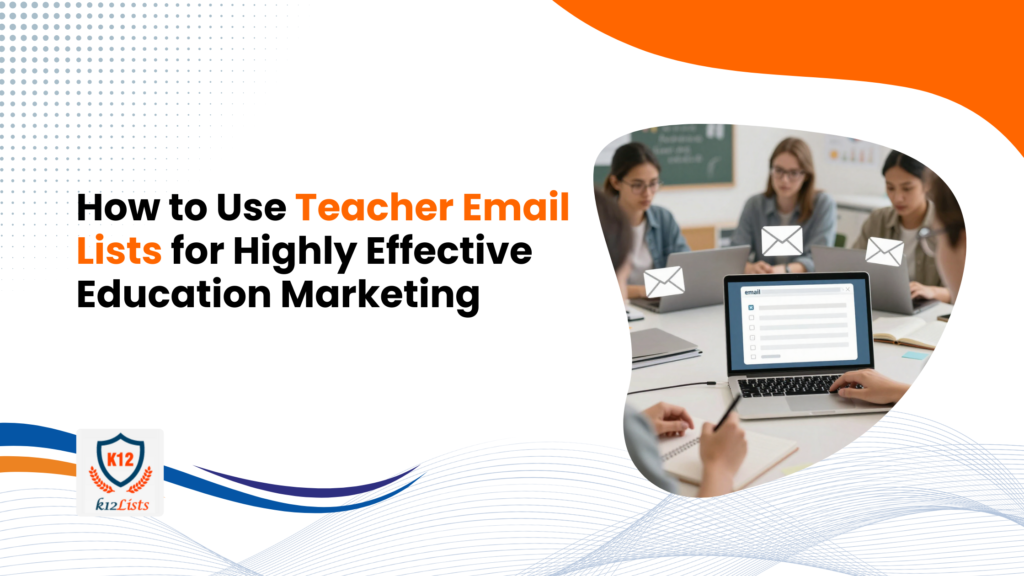
However, for marketers, breaking through the noise to reach the actual decision-makers within schools remains one of the most stubborn challenges in the industry. Whether you are launching cutting-edge educational software, promoting essential professional development programs, or introducing new curriculum materials, the success of your campaign hinges on one critical factor: direct, meaningful access to teachers and educators.
This comprehensive guide goes beyond the basics to provide proven, human-centric strategies for building, segmenting, and leveraging teacher email lists. We will explore how to achieve measurable marketing results not just by sending emails, but by starting conversations. You will discover actionable frameworks, learn to navigate common pitfalls that alienate educators, and understand how verified educator databases can transform your outreach from “just another sales pitch” into a valuable resource.
Why a Teacher Email List is Key to Successful Education Marketing
It is a common misconception that administrators are the only ones who matter in purchasing. The reality is that teachers influence approximately 85% of classroom technology and resource decisions. They act as the primary gatekeepers for educational resources because they are the ones “in the trenches” every day.
Unlike broad consumer marketing, where you cast a wide net, education marketing requires surgical precision. Success depends entirely on reaching the specific educators whose classroom needs match your solution. A generic blast to a general school inbox usually ends up in the trash; a targeted email to a geometry teacher about a new visualization tool gets read.
The Direct Line to Educational Decision-Makers
A high-quality, targeted teacher email list effectively removes the intermediaries that block communication. It allows you to bypass the front office and connect directly with the professionals who evaluate, recommend, and often fight for educational purchases.
While a principal or district superintendent may sign the final purchase order, it is almost always a teacher or a committee of teachers who initiates the recommendation process.
Key benefits of establishing direct outreach to teachers include:
- Faster decision cycles: Teachers are pragmatic. When they see a solution that offers immediate classroom value, they become internal champions, advocating to the administration to speed up the buying process.
- Higher conversion rates: Personalized, respectful outreach achieves 3-5x better response rates than general institutional marketing because it speaks to a specific pain point.
- Authentic feedback loops: Direct communication opens a two-way street. You don’t just sell; you learn. This enables product improvement based on real, unvarnished feedback from the classroom.
- Relationship building: Education is an industry built on trust. Long-term relationships with educators create powerful referral networks and turn teachers into loyal brand advocates.
Understanding the Education Procurement Landscape
Schools do not operate like traditional businesses. If you try to sell to a school the way you sell to a corporation, you will fail. Their “fiscal year” is tied to the academic calendar, and their purchasing involves complex budget cycles, committee evaluations, and board approvals.
Understanding the nuance of this landscape is vital. For example, knowing when grant money must be spent or when curriculum reviews happen is half the battle. Having a quality educator contact database allows you to time your campaigns with empathy and precision, nurturing leads through these extended decision periods rather than pushing for a quick close that isn’t possible.
A teacher email list provides a direct line of communication to the classroom experts who influence purchasing. High-quality lists allow you to align your marketing efforts with the unique rhythms of school calendars and complex procurement cycles, ensuring your message lands when it matters most.
Building a High-Quality Teacher Email List: Step-by-Step Guide
Creating a verified teacher email list is not about scraping data; it is about cultivating a resource. It requires a systematic, thoughtful approach that balances the need for scale with the necessity of long-term accuracy. Here is a proven, human-focused framework for developing educator databases that actually deliver results.
Step 1 – Define Your Ideal Educator Profile
Before you collect a single email address, you must know exactly who you are looking for. “Teachers” is too broad a category. You need to establish clear, granular criteria for your target audience:
- Grade levels: Are you targeting Elementary (K-5), Middle School (6-8), High School (9-12), or Higher Ed? The needs of a Kindergarten teacher are vastly different from those of a University Professor.
- Subject areas: Are you looking for STEM specialists, Humanities teachers, Special Education professionals, or Arts educators?
- Geographic focus: Do you need a national reach, or are you targeting specific states, districts, or regions with unique funding opportunities?
- School types: Public, private, charter, parochial, or specialized magnet schools all have different purchasing structures.
- Technology adoption level: Are you looking for tech-savvy early adopters or schools that prefer traditional, textbook-based approaches?
Step 2 – Collect Accurate Contact Information
Ethical data collection is the foundation of trust. You cannot build a relationship on stolen data. Effective methods include:
- Website opt-ins: Create genuinely valuable resources such as lesson plans, grading templates, or white papers on student engagement that educators are happy to exchange their contact info for.
- Conference attendance: Educational conferences (like ISTE or ASCD) are goldmines for networking. Collecting information here is permission-based and high-intent.
- Professional association partnerships: Collaborate with trusted teacher organizations for co-branded initiatives. This borrows their credibility to build your list.
- Webinar registrations: Host professional development (PD) sessions. Teachers are life-long learners; if you teach them something new, they will register.
- Content syndication: Distribute your best educational content through established platforms to capture contacts who are already looking for solutions like yours.
Step 3 – Verify and Validate Contact Data
The education sector has a high turnover rate. Data decay impacts nearly 30% of email databases every single year. Teachers move districts, change roles, retire, or leave the profession entirely. To maintain a healthy list, you must implement these verification practices:
- Email validation tools: Technical checks to confirm deliverability before you ever hit “send.”
- Regular database audits: A quarterly review to purge bad data and maintain list health.
- Bounce management: Be ruthless here. Remove hard bounces immediately. Soft bounces should be removed after three failures to protect your sender score.
- Engagement scoring: Track who is opening and clicking. Prioritize active contacts and create re-engagement campaigns for those who have gone dormant.
Step 4 – Organize for Strategic Use
A list is only as good as its organization. Structure your database to enable efficient, empathetic segmentation:
| Data Field | Marketing Application |
| School Name | Allows for hyper-personalized outreach (e.g., “Go Tigers!”) |
| Grade Level | Ensures age-appropriate content and language. |
| Subject Area | Critical for curriculum alignment and relevance. |
| School District | Useful for regional campaigns and understanding district-wide software. |
| Technology Integration | Helps assess product fit and technical readiness. |
How to Maximize Engagement with Teachers through Email Marketing
Teachers are incredibly busy. They receive numerous marketing emails weekly, often while trying to grade papers, manage a classroom, and eat lunch simultaneously. Standing out requires three things: deeply understanding teacher priorities, respecting their limited time, and delivering genuine classroom value.
Craft Subject Lines That Resonate
Educators don’t have time for clickbait. They respond to subject lines that promise practical, tangible classroom benefits. You have a split second to convince them that opening your email will make their day easier.
Effective approaches:
- Be Specific: Reference their specific grade levels or subjects so they know it’s for them.
- Offer Solutions: Promise time-saving hacks or tools. Time is a teacher’s scarcest resource.
- Free is Magic: Highlight free resources, samples, or trial opportunities.
- Stay Relevant: Connect to current educational trends, holidays, or challenges (like “Testing Season Survival”).
Example subject lines:
- “5 Ready-to-Use Science Labs for Middle School (Free Download).”
- “How [Similar School District] Saved 10 Hours Weekly on Grading.”
- “New Grant Opportunity for Classroom Technology Deadline March 15.”
Design Mobile-Optimized Email Content
Here is a reality check: Over 60% of teachers check their email on mobile devices, often while walking between classrooms or waiting for a meeting to start. If your email doesn’t look good on a phone, it will be deleted.
- Single-column layouts: Ensure easy scanning on small screens without side-scrolling.
- Clear call-to-action buttons: Use “thumb-friendly” sizing (minimum 44px) so they can click easily.
- Concise paragraphs: Keep it short. 2-3 sentences maximum per paragraph.
- Visual hierarchy: Use headers, bullet points, and strategic bold text to make the content skimmable.
Timing Your Campaigns Strategically
In education, timing is everything. The academic calendar dictates the emotional state and purchasing power of your audience.
| Period | Email Strategy |
| August-September | Back-to-School: Focus on planning resources, “survival guides,” and immediate classroom aids. |
| October-November | Mid-Semester: Offer solutions for burnout, grant deadlines, and engagement boosters. |
| January-February | The Reset: Second semester preparation, new year resolutions, and conference previews. |
| The Reset: Second-semester preparation, new year resolutions, and conference previews. | Testing Season: Offer support for standardized testing (or stress relief). Start planting seeds for summer programs. |
| May-June | Wrap Up: Year-end reflection, spending remaining budget (“use it or lose it”), and PD for summer. |
Crucial Note: Avoid sending cold emails during standardized testing weeks, report card periods, and major school holidays. Teachers are in “survival mode” during these times and will likely ignore you.
How Segmentation Improves Email Marketing for Teachers
Generic educational marketing is the fastest way to lose an audience. It wastes resources and weakens your sender reputation. Segmentation transforms broad, impersonal outreach into targeted, relevant conversations that drive engagement.
H3: Essential Segmentation Categories
By Role:
Don’t send administrative software pitches to a Chemistry teacher.
- Classroom teachers (broken down by subject)
- Department heads and curriculum coordinators
- Special education specialists
- Technology integration specialists
- Instructional coaches
- Administrators with teaching responsibilities
By Institution Type:
- Public school educators (bound by district mandates)
- Private and independent school teachers often have more autonomy.
- Charter school professionals
- Higher education instructors
By Engagement Level:
- New subscribers: Need “Welcome” nurture sequences to build trust.
- Active engagers: Ready for promotional content and demos.
- Past customers: Prime targets for loyalty programs and upsell campaigns.
- Dormant contacts: Require gentle re-engagement campaigns (“We miss you”).
The Personalization-Segmentation Framework
To truly win, combine segmentation with personalization.
- Level 1 – Basic Segmentation: Sending math content to math teachers and reading resources to literacy educators. This is the bare minimum.
- Level 2 – Behavioral Segmentation: Targeting based on what they did on your website. Did they download a white paper on remote learning? Send them follow-up content on that topic.
- Level 3 – Predictive Segmentation: Using data patterns to anticipate needs. For example, if a teacher viewed “Year-End Review” materials in April, send them “Summer Planning” guides in May.
Real-world impact: According to campaign benchmarks, segmented campaigns generate up to 760% more revenue than non-segmented “spray and pray” campaigns.
The Benefits of Verified Teacher Email Lists for Marketing Campaigns
Using verified educator contact databases isn’t just a technical preference; it directly impacts your bottom line and protects your brand’s digital reputation.
Improved Email Deliverability
Verified lists drastically reduce bounce rates, keeping them below 2%. This ensures your messages actually reach inboxes rather than getting trapped in spam folders. Internet Service Providers (ISPs) track sender reputation closely; if you consistently hit invalid emails, they will block your future messages even to the valid contacts.
Higher Open and Click-Through Rates
When your data is accurate, you are reaching real people who are currently employed in the roles you are targeting. Verified lists typically achieve:
- 25-35% open rates (versus a dismal 15-20% for unverified lists).
- 4-6% click-through rates (versus 1-2% for general lists).
- Significantly lower spam complaint rates, because the content is actually relevant to the recipient.
Better Return on Investment
High-quality educator databases may cost more upfront, but they deliver substantially better campaign economics in the long run:
- You stop paying to send emails to dead addresses.
- Your sales team spends fewer resources qualifying leads.
- You see higher conversion rates from genuinely interested educators.
- You improve customer lifetime value because the product fit is accurate from day one.
Compliance and Legal Protection
Data privacy is a massive issue in education. Verified lists from reputable providers include proper consent documentation and comply with strict regulations like CAN-SPAM, GDPR (for international contacts), and CASL. This protects your organization from costly legal complications and maintains your ethical standing with educational audiences.
Verified teacher email lists are an insurance policy for your marketing. They improve deliverability, drastically increase engagement rates, and protect your sender reputation while ensuring you remain on the right side of data privacy laws.
Top 5 Mistakes to Avoid When Using Teacher Email Lists
Even the highest quality data will fail if your implementation strategy is flawed. To succeed, you must avoid these common errors:
Mistake 1 – Treating All Teachers Identically
A Kindergarten teacher dealing with separation anxiety has vastly different needs than a high school AP Chemistry instructor prepping for college exams. Sending identical content to these diverse segments signals that you don’t understand their professional reality.
Solution: Implement robust segmentation before you launch a single campaign.
Mistake 2 – Ignoring the Academic Calendar
Launching a major implementation campaign during state testing windows or final exam periods is a guarantee of failure. Teachers are overwhelmed, stressed, and non-responsive during these critical periods.
Solution: Map your campaign calendar against the real-world academic schedules in your target regions.
H3: Mistake 3 – Prioritizing Sales over Value
Teachers have sensitive “marketing radars.” They develop skepticism toward vendors who only offer promotional fluff. Building trust requires demonstrating that you understand their struggles.
Solution: Follow the 80/20 rule 80% of your content should be valuable, educational, and helpful. Only 20% should be promotional messaging.
Mistake 4 – Neglecting List Hygiene
Outdated contact information damages your deliverability and wastes your budget. Because the education sector experiences such high annual turnover, lists degrade faster than in many other industries.
Solution: Verify your lists quarterly and implement real-time bounce management processes.
Mistake 5 – Using Purchased Lists without Verification
Not all list providers maintain quality standards. Unverified purchased lists often contain outdated, inaccurate, or improperly sourced contacts (“honeypots”) that can blacklist your domain and violate regulations.
Solution: Partner only with providers who offer verification guarantees and transparent sourcing practices.
Why Choose Us for Your Teacher Email Lists
We don’t just sell data; we specialize in the education sector. We provide verified educator contact databases built specifically for marketing success, understanding the nuances of the school ecosystem.
Our Educator Database Difference
- 98%+ accuracy guarantee: We use rigorous verification processes to ensure contacts are current and deliverable.
- Comprehensive segmentation options: Filter by grade level, subject, school type, geography, and more to find your perfect match.
- Regular updates: We perform quarterly database refreshes to keep up with school turnover.
- Compliance-first approach: All contacts are sourced ethically with proper consent documentation.
- Custom list building: We create tailored solutions that match your specific campaign requirements.
Industries We Serve
Our education marketing data supports a diverse range of organizational needs:
- Educational technology (EdTech) are platforms looking to connect with classroom innovators.
- Professional development providers reaching career-focused educators.
- Curriculum publishers are introducing new instructional materials and textbooks.
- Research institutions are conducting vital educational studies.
- Non-profits and organizations offering grants, resources, and continuing education opportunities.
Conclusion: Transform Your Education Marketing Results
Reaching educators effectively requires more than just a spreadsheet of contact information it demands accurate data, strategic segmentation, and messaging that demonstrates a genuine, human understanding of classroom realities.
A high-quality, verified teacher email list serves as the foundation for education marketing success. But the real magic happens when you combine that data with proper timing, deeply personalized content, and consistent value delivery. When done right, direct educator outreach generates measurable results across software demonstrations, curriculum adoption, professional development enrollment, and resource distribution.
The education market continues to grow, and educators increasingly expect personalized, relevant communication from partners who understand their professional needs. Investing in quality educator data positions your organization not just as a vendor, but as a trusted partner ready to build lasting relationships with the teachers who shape tomorrow’s learning experiences.
Book a Free Consultation with K12 Lists to Learn How Our Teacher Email Lists Can Boost Your Marketing
Speak directly with our education data specialists to discuss your campaign goals and discover the right solution for your organization.
Everything You Need to Know About Teacher Email List
A teacher email list is a collection of verified educator contacts, including emails, school, grade level, and subject. Marketers use it to share classroom resources, run webinars, or showcase educational products.
The easiest way to reach teachers ethically is by buying a verified teacher email list. Verified data ensures emails belong to active educators and improves deliverability. You can also segment by grade, subject, or school for more targeted campaigns.
A teacher email list typically includes email addresses, school affiliations, grade levels, and subject specialties. Some lists also provide location, school type, and contact names to help marketers run more targeted campaigns.
Marketers use teacher email lists to share classroom resources, promote educational products, run webinars, or launch campaigns. Verified and segmented lists help ensure messages reach active educators who are most likely to engage with relevant content.
Verified lists ensure emails reach real teachers, reduce bounces, protect your sender reputation, and boost campaign ROI.
Verified emails ensure your messages reach real, active contacts, improving deliverability and reducing bounces. This leads to higher engagement and a better ROI, while protecting your sender reputation.